

In a world where fast fashion dominates retail racks and online stores, building a stylish wardrobe while staying true to your values may feel like a challenge. But here’s the truth: ethical fashion and personal style can go hand in hand. You don’t have to compromise your love for fashion to make sustainable, conscious choices.
This guide walks you through how to build a wardrobe that’s not just chic, but also ethical, eco-friendly, and empowering. Whether you’re a style-savvy minimalist or a bold trend-lover, there’s a responsible way to curate your closet that reflects both your aesthetic and your ethics.
Why Ethical Fashion Matters in 2025
Before diving into the how, let’s talk about the why. Ethical fashion is about more than just choosing organic fabrics or shopping less. It’s about supporting fair wages, safe working conditions, low environmental impact, and transparent supply chains.
With growing awareness of fashion’s environmental cost (it’s one of the largest polluting industries), consumers are demanding accountability and change. The new wave of fashion enthusiasts isn’t just asking “how does it look?” but also “who made it?” and “what’s it made from?”
Stylish can be sustainable, and here’s how you can do it too.
Step 1: Audit Your Current Wardrobe
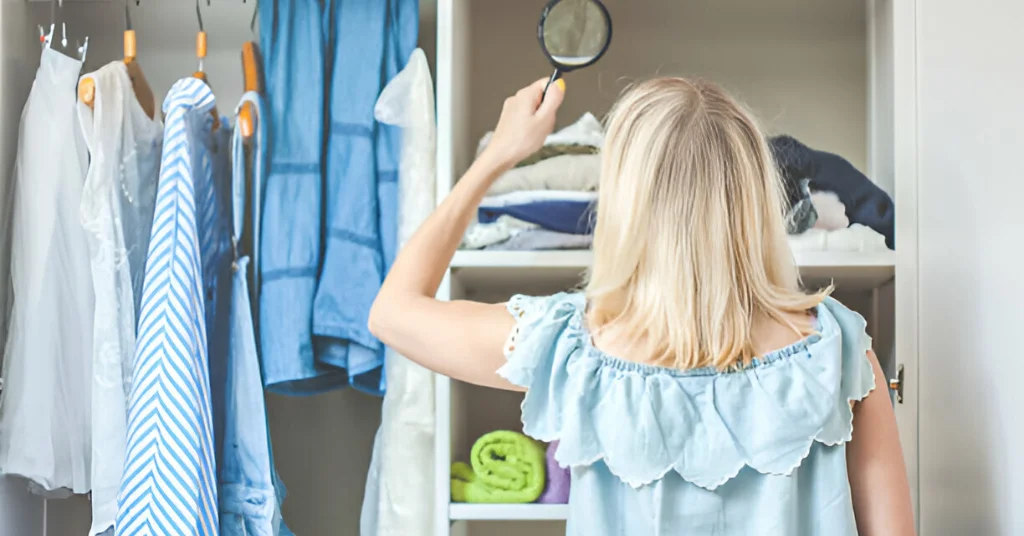
Building an ethical wardrobe starts with understanding what you already own.
- Go through your closet and identify what you wear often vs. what you neglect.
- Ask yourself: Do I love this piece? Does it fit my lifestyle? Can I wear it in multiple ways?
- Sort clothes into categories: Keep, Repair, Donate, Sell, and Upcycle.
You might be surprised at how many gems are already hiding in your closet!
Step 2: Define Your Personal Style
Ethical fashion doesn’t mean sacrificing your individuality. Having a clear sense of your style helps avoid wasteful impulse buys.
- Are you drawn to minimalist basics, vintage glam, bohemian layers, or tailored classics?
- Create a mood board using Pinterest or Instagram to clarify your aesthetic.
- Identify a color palette and preferred silhouettes that flatter your body and vibe.
Knowing your style makes it easier to shop intentionally and avoid trends that fade quickly.
Step 3: Learn to Read Labels
When shopping ethically, the label tells you more than just size.
Here’s what to look for:
- Materials: Favor organic cotton, hemp, TENCEL™, bamboo, wool, and recycled fabrics.
- Certifications: Look for GOTS (Global Organic Textile Standard), OEKO-TEX®, Fair Trade, and B Corp.
- Origin: Brands that disclose their supply chains and manufacturing processes are more likely to be ethical.
If you can’t find details, check the brand’s website. Transparency is a green flag.

Step 4: Support Ethical Brands
There are tons of fashion-forward brands committed to ethical practices. Some popular ones include:
- Reformation – Stylish pieces with transparent sustainability stats.
- People Tree – Fair trade pioneer with feminine styles.
- Patagonia – Outdoor fashion with repair and recycling programs.
- Girlfriend Collective – Inclusive activewear made from recycled materials.
- Christy Dawn – Dresses made from deadstock and regenerative cotton.
Do your research and make a wish list of brands that align with your style and values.
Step 5: Choose Quality Over Quantity
Fast fashion thrives on cheap, disposable clothing. Flip the script by investing in well-made, durable pieces that you’ll love for years.
Tips to spot quality:
- Feel the fabric: Is it thick and soft, or flimsy and synthetic?
- Check the seams: Are they tight, straight, and reinforced?
- Look at hardware: Buttons, zippers, and trims should be sturdy.
A $100 dress that lasts 5 years is more ethical (and cost-effective) than a $20 dress that lasts two washes.
Step 6: Embrace Secondhand and Vintage
Buying secondhand is one of the most sustainable fashion choices.
- Explore thrift stores, vintage boutiques, and online resale platforms (like Depop, Poshmark, ThredUp).
- Host clothing swaps with friends or in your community.
- Look for pre-loved designer items for timeless style with reduced impact.
Secondhand shopping not only reduces waste but also makes your wardrobe unique and personal.

Step 7: Rent for Occasion
Got a wedding, gala, or photoshoot coming up? Instead of buying a dress you’ll wear once, rent it.
- Use services like Rent the Runway, Nuuly, or HURR Collective.
- Renting cuts down on one-time-use garments and saves closet space.
It’s a stylish, wallet-friendly, and ethical way to stay fashionable for big events.
Step 8: Take Care of Your Clothes
One of the greenest things you can do? Extend the life of your clothes.
- Wash less frequently, and only when needed.
- Use cold water and eco-friendly detergent.
- Air dry instead of using the dryer.
- Mend small damages like loose buttons, small holes, or fading seams.
A well-cared-for wardrobe lasts longer, saves you money, and reduces environmental impact.
Step 9: Create a Capsule Wardrobe
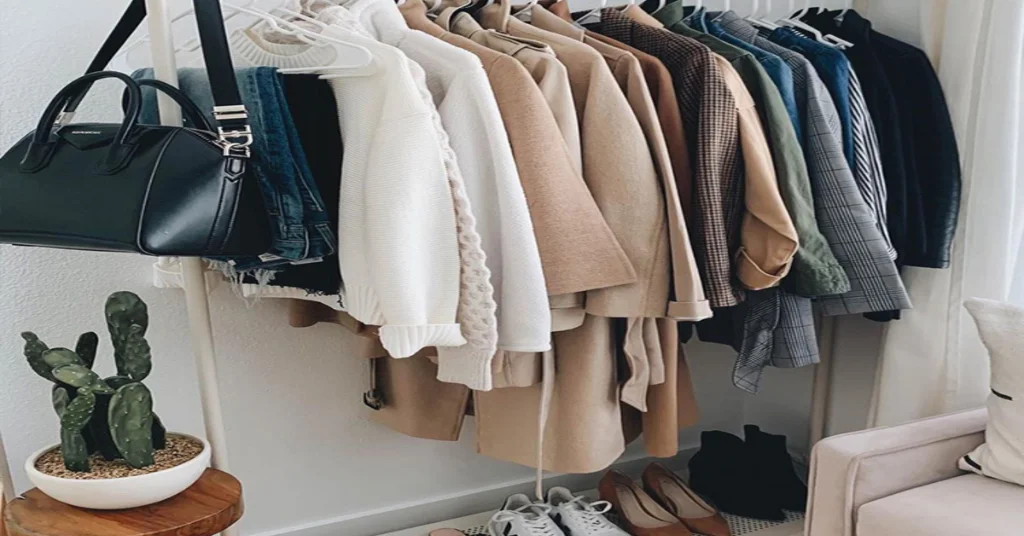
A capsule wardrobe is a small collection of versatile pieces that can be mixed and matched in endless ways. It’s a minimalist and sustainable approach to dressing well.
Essentials may include:
- A crisp white shirt
- A quality pair of jeans
- A black blazer
- A little black dress
- Neutral tees and tanks
- A cozy knit sweater
- Timeless outerwear
You can rotate pieces seasonally and add accessories to refresh your look.
Step 10: Educate and Inspire Others
Being a stylish, ethical dresser isn’t just personal—it’s powerful advocacy. Talk about your sustainable choices, share tips, and encourage others to think about how their fashion habits affect the world.
- Post your looks and tag ethical brands on social media.
- Write reviews or blog posts highlighting sustainable finds.
- Organize clothing swaps or donate to ethical fashion drives.
Fashion can be a force for good—and it starts with you.
Final Thoughts: Ethics and Elegance Can Coexist
Fashion is about expression, confidence, and creativity. And now more than ever, it can also be about conscious choices that uplift people and protect the planet.
When you build a wardrobe filled with pieces that are ethical, sustainable, and personally meaningful, you’re not just curating a style—you’re telling a story. And that’s always in fashion.